Gender, Diversity and Non-Discrimination
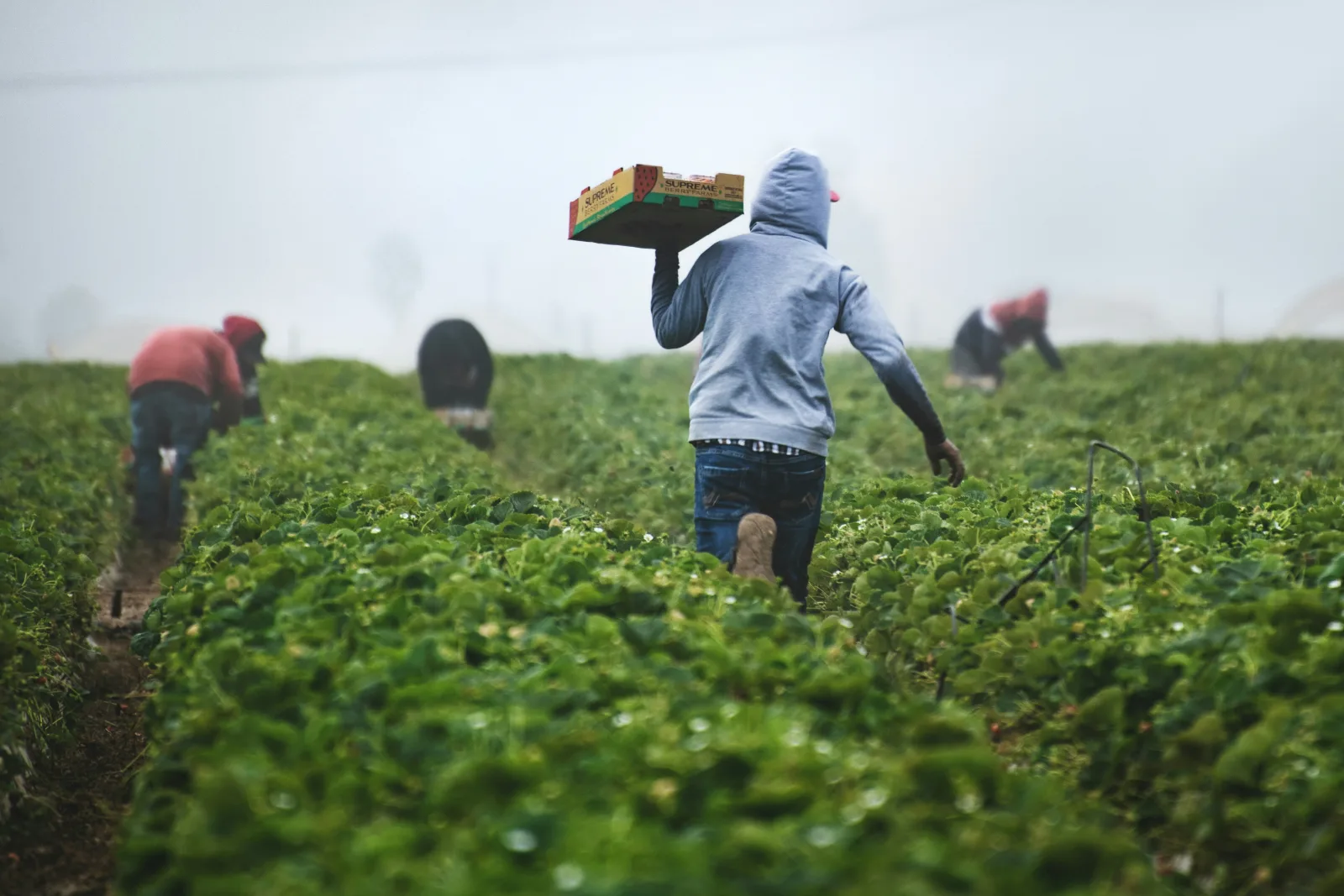
Gender-based discrimination and violence are among the most widespread human rights violations in global supply chains. Women make up the majority of workers in several of the world's highest-volume export industries - garments, agriculture, electronics assembly, and food processing - yet they are systematically underrepresented in higher-paid and supervisory roles, overrepresented in precarious employment arrangements, and face unique risks including gender-based violence and harassment (GBVH). Addressing these risks is not just a question of legal compliance: it is a core component of corporate responsibility to respect human rights.
The International Legal Framework
The Convention on the Elimination of All Forms of Discrimination Against Women (CEDAW), adopted by the UN General Assembly in 1979 and ratified by 189 states, is the primary international treaty on women's rights. It defines discrimination against women as "any distinction, exclusion or restriction made on the basis of sex which has the effect or purpose of impairing or nullifying the recognition, enjoyment or exercise by women... of human rights and fundamental freedoms." CEDAW requires states to take measures to eliminate discrimination in employment, including equal pay, equal access to promotion, and protection against dismissal on grounds of pregnancy or maternity leave.
The ILO Equal Remuneration Convention (No. 100, 1951) and the Discrimination (Employment and Occupation) Convention (No. 111, 1958) together establish the fundamental labour standards on gender equality. Convention 100 requires equal remuneration for men and women workers for work of equal value - a standard that goes beyond equal pay for identical jobs to require pay equity across jobs of comparable worth. Convention 111 prohibits discrimination based on sex, race, colour, religion, political opinion, national extraction, and social origin in access to employment and vocational training.
The ILO Violence and Harassment Convention (No. 190, 2019) is the first international labour standard specifically addressing violence and harassment in the world of work. It defines violence and harassment broadly to include physical, psychological, and sexual forms, and recognizes that gender-based violence and harassment disproportionately affects women.
The Women's Empowerment Principles
The Women's Empowerment Principles (WEPs), developed jointly by UN Women and the UN Global Compact, provide a framework for business action on gender equality. They articulate seven principles organized around workplace, marketplace, and community dimensions:
- Principle 1: Establish high-level corporate leadership for gender equality
- Principle 2: Treat all women and men fairly at work - respect and support human rights and non-discrimination
- Principle 3: Ensure the health, safety, and well-being of all women and men workers
- Principle 4: Promote education, training, and professional development for women
- Principle 5: Implement enterprise development, supply chain, and marketing practices that empower women
- Principle 6: Promote equality through community initiatives and advocacy
- Principle 7: Measure and publicly report on progress to achieve gender equality
Over 9,000 companies in more than 150 countries have signed the WEPs, signalling a commitment to these principles. However, signature alone has limited value - meaningful implementation requires concrete targets, internal accountability, and transparent reporting.
Gender-Based Violence and Harassment in Supply Chains
GBVH in supply chains takes many forms: sexual harassment by supervisors, threats and intimidation related to production targets, physical violence, forced overtime with threats of job loss for non-compliance, and verbal abuse. Research by organizations including the Business and Human Rights Resource Centre, BSR's HERproject, and the International Labour Organization has documented these risks across garment factories in Bangladesh, Cambodia, and Vietnam; agricultural operations in East Africa, Central America, and India; and informal piece-work settings globally.
Several structural factors drive GBVH in supply chains:
- Power imbalances: Women workers are often in subordinate positions relative to male supervisors, with limited ability to refuse demands without risking employment
- Lack of formal contracts: Women in informal, piece-rate, or seasonal work have limited legal protections and no job security that would give them leverage to report misconduct
- Cultural norms: In many producing-country contexts, reporting harassment or speaking openly about gender-based violence carries stigma and risk of retaliation
- Ineffective grievance mechanisms: Where grievance mechanisms exist, they may be controlled by supervisors who are themselves perpetrators, or may not be trusted by workers as confidential
- Buyer pressure: Production speed pressure creates environments where supervisors use intimidation and verbal abuse to drive output
Analogy
Analogy: The Canary and the Mine
Historically, miners used canaries to detect toxic gases - if the canary died, it signalled danger for the whole mine. In supply chain auditing, the treatment of women workers often functions as an early warning indicator for broader human rights conditions. Factories where women face harassment without consequence, where maternity rights are systematically violated, or where gender wage gaps are severe tend also to exhibit other labour rights violations: wage theft, excessive hours, suppression of organizing, and disregard for safety. Gender equality indicators can thus serve as leading indicators of the overall quality of labour rights in a workplace.
Intersectionality in Supply Chain Risk Assessment
A sophisticated understanding of gender risks in supply chains requires attention to intersectionality - the way in which gender interacts with other characteristics including race, ethnicity, migration status, disability, caste, and age to create compounded vulnerabilities. A migrant woman worker in an export processing zone faces a qualitatively different set of risks than a local woman worker or a migrant man worker. Intersectional analysis asks: who, specifically, is most at risk, and why?
Worked example
Example: Maternity Discrimination in Garment Supply Chains
A recurring finding in garment supply chain audits across multiple countries is the systematic termination of women workers upon pregnancy. Factories avoid the legal requirement to pay maternity leave by dismissing pregnant workers before they reach the threshold for entitlement, or by creating working conditions during pregnancy - excessive heat, heavy lifting, compulsory overtime - that effectively force women to resign. This represents a direct violation of ILO Convention 183 on Maternity Protection (2000), CEDAW, and the national labour laws of most producing countries. However, it persists because it is difficult for auditors to detect through document review (the dismissals are typically recorded as voluntary resignations), because affected workers fear retaliation, and because the practice is so normalized in some factories that workers do not recognize it as a violation they have the right to report.
Integrating Gender into HRDD
Gender-responsive HRDD goes beyond adding women to questionnaires. It requires:
- Disaggregated data collection: Collecting workforce data broken down by gender to identify pay gaps, representation gaps in senior roles, and differences in contract types between men and women
- Women-specific grievance channels: Ensuring grievance mechanisms include channels that women trust, potentially including women-led confidential reporting lines or partnerships with women-led NGOs
- Female auditor deployment: Using female auditors to conduct worker interviews with women workers, as women may be more willing to disclose GBVH to female interviewers
- Supplier capacity building: Supporting supplier HR staff to understand and apply anti-GBVH policies, maternity protection laws, and gender pay equity requirements
- Own purchasing practices review: Assessing whether buyer purchasing practices contribute to the production pressure that drives GBVH
Key takeaway
Gender Equality as a Business Priority
Research by McKinsey, the World Bank, and the ILO consistently finds that gender equality in the workplace - including pay equity, absence of harassment, and access to advancement - correlates with higher productivity, lower turnover, and stronger supplier performance. From a due diligence perspective, addressing gender risks is therefore both the right thing to do and a commercially rational priority. Companies that take gender equality seriously across their supply chains tend to have more stable, skilled, and motivated workforces.
Key Takeaways
- CEDAW, ILO Conventions 100 and 111, and the 2019 Violence and Harassment Convention (C190) together form the international legal framework for gender equality and GBVH prevention in the world of work
- Women are the majority in several key export industries but are systematically underrepresented in higher-paid roles and overrepresented in precarious employment, creating compounded vulnerability
- Maternity discrimination - including dismissal of pregnant workers before legal entitlement thresholds - is widespread but often invisible to standard document audits
- Intersectionality matters: gender risks compound with migration status, ethnicity, caste, and age to create differentiated levels of vulnerability that risk assessments must distinguish
- Gender-responsive HRDD requires disaggregated data, women-specific grievance channels, female auditors, and a review of buyer purchasing practices that may create pressure driving GBVH
Knowledge Check
Test what you just learned
3 questions · check each one as you go
ILO Convention No. 190 on Violence and Harassment (2019) is significant because it was the first international labour standard to do what?
What does 'intersectionality' mean in the context of supply chain gender risk assessment?
Which of the following is an example of a gender-responsive improvement to a supplier grievance mechanism?